 Tiếng Việt
 English
 日本語
日本語
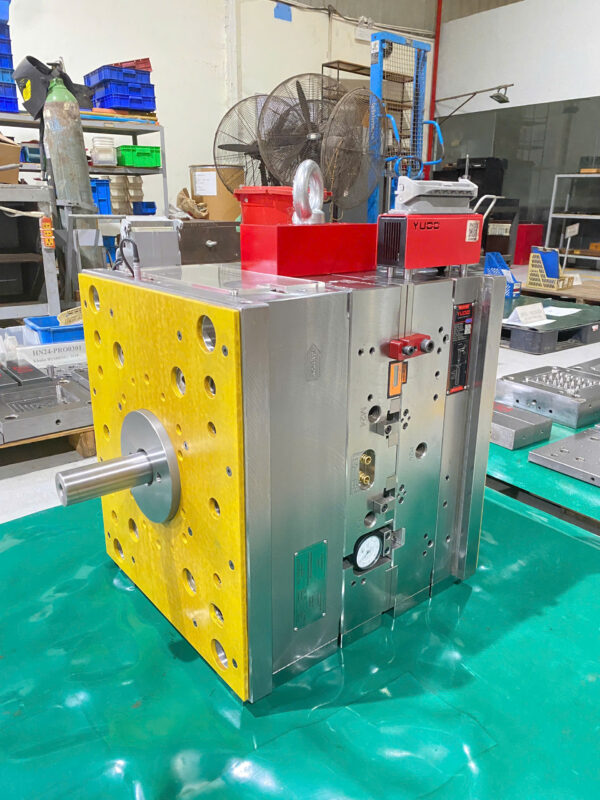
Selecting an injection mold supplier in Vietnam should start with the project requirements, not with a ranking or a general claim. The right supplier is one whose engineering process, equipment, inspection plan and project communication match the part, material, expected quantity and acceptance criteria.
HA NOI MOULD TECHNOLOGY COMPANY LIMITED, referred to below as HANOI MOULD, uses a technical review before mold design and quotation. This guide explains the information a buyer should prepare and the questions that help compare suppliers on a consistent basis. The spelling “mold” is used for US searches; “mould” refers to the same tooling in UK, European and Australian usage.
1. Define the part and project inputs
Start with the latest 2D drawing and 3D model. Identify the plastic material, color or surface requirements, critical dimensions, expected quantity, intended molding machine when known, and the required delivery destination. If a drawing is not final, mark open dimensions and revision status clearly.
A supplier cannot responsibly confirm the mold concept from a product image alone. Missing wall thickness, draft, undercuts, inserts, texture, gate restrictions or assembly interfaces can change the tooling structure and review scope.
2. Ask how DFM findings are recorded
DFM should identify issues that can affect mold construction or part molding before the design is released. Ask whether the review covers parting direction, draft, wall-thickness transitions, ribs and bosses, undercuts, gate position, ejection, cooling considerations and visible-surface restrictions.
The important point is not a generic “DFM included” statement. Confirm what document will be issued, which items require buyer approval and how revisions are recorded. See HANOI MOULD’s DFM checklist before mold design for the review inputs used at this stage.
3. Match the manufacturing route to the mold
Review the proposed sequence from mold design to machining, assembly and trial. Ask which operations are planned for CNC machining, EDM or wire cutting, how purchased components are controlled, and which steps will be inspected before assembly.
Machine names alone do not prove that a supplier fits the project. The evaluation should connect each operation to the mold geometry, material and acceptance requirement. Buyers can review HANOI MOULD’s mold manufacturing process and manufacturing equipment pages, then confirm the applicable scope for their own project.
4. Agree on inspection and acceptance evidence
List the dimensions and functions that must be checked at each stage. Depending on the project, evidence may include incoming-material records, machining checks, assembly checks, molded-part measurements, trial observations and an agreed handover package.
HANOI MOULD has CMM inspection equipment. Whether CMM measurement is required, which features are measured and what report format is supplied must still be agreed for the individual project. Review the published quality control approach and put project-specific acceptance points into the quotation or technical agreement.
5. Clarify mold trials and change control
Before ordering, define the purpose of each trial, the material to be used, the available molding conditions, the sample quantity and the data expected after the trial. Establish who reviews the samples, how comments are consolidated and when a change becomes a buyer-approved revision.
Separate mold corrections from product-design changes. This avoids ambiguity when a sample issue is caused by incomplete product data, a revised requirement or the mold itself.
6. Compare quotations on the same scope
A low or high total price is difficult to interpret if quotations use different assumptions. Compare the included mold structure, cavity count, material, purchased components, trial scope, sample quantity, inspection documents, packing, delivery destination and change conditions.
Use the RFQ data checklist so every supplier receives the same technical information. Ask suppliers to list exclusions and unresolved items instead of hiding them inside a general price.
7. Check communication and revision discipline
For an international project, confirm the working language, response channel, drawing format and responsible contacts before the project starts. Ask how design approvals, weekly status, trial feedback and engineering changes are recorded.
Do not assume language capability or response time from marketing copy. Confirm the arrangement with the actual project team and include important milestones in the agreed project documents.
8. Use an evidence-based supplier checklist
Before selecting a supplier, verify:
- The supplier reviewed the current drawing revision and listed missing inputs.
- DFM findings and approval points are documented.
- The proposed mold concept matches the part, material and expected quantity.
- Manufacturing and inspection steps are connected to the project requirements.
- Trial scope, acceptance evidence and revision handling are defined.
- The quotation states inclusions, exclusions and open technical questions.
- Contacts, working language and change-control method are agreed.
No checklist can replace a technical review. It does, however, make supplier comparisons more transparent and reduces the risk of choosing from unsupported rankings or broad marketing claims.
Request a technical review
To request a project review from HANOI MOULD, send the current 2D/3D data, plastic material, expected quantity, critical dimensions and surface requirements, delivery destination and expected project schedule. The team will review the available information and identify any data needed before a quotation can be prepared.


